
Smart home automation in New Zealand homes ranges from simple app-controlled lighting to fully integrated systems covering lighting, climate, and security.
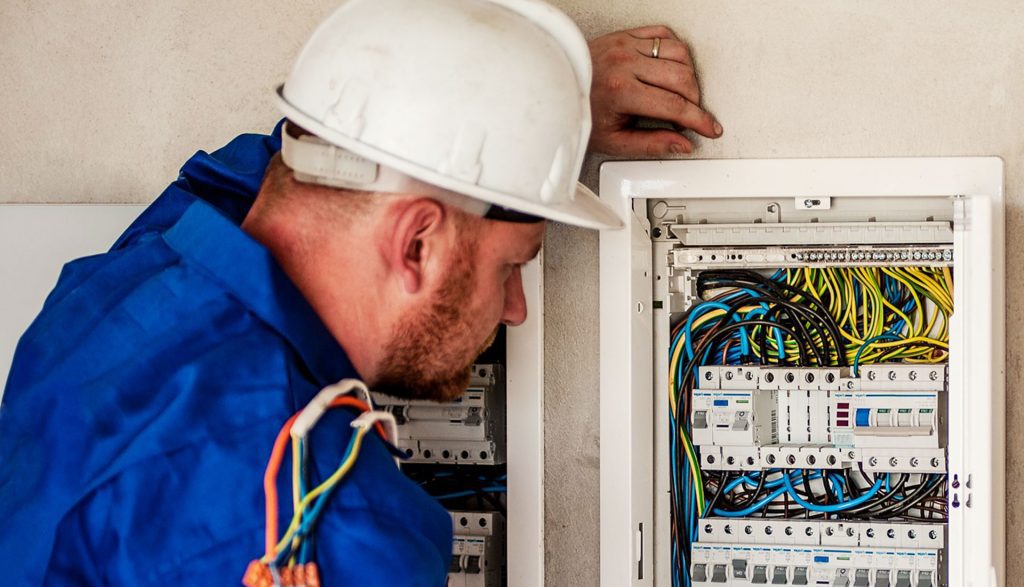
The technology itself is often simple and easy to understand as well as implement. What determines how well it works long-term is whether it’s wired in properly by a registered electrician from the start.
This guide covers what a professional smart home automation setup actually involves and where DIY plug-in gear tends to fall short over time.
Wireless vs. Hardwired Home Automation Systems
Not all smart home gear is installed the same way, and the difference matters more than most people expect when choosing between the two.
Why Professional Electrical Installation Outperforms DIY Plug-In Smart Gear
Smart home automation in NZ installed by a registered electrician integrates directly into your wiring, rather than sitting on top of it as an add-on.
That integration means switches, dimmers, and sensors respond instantly and stay reliable, rather than depending on a separate hub staying connected to wifi.
Plug-in smart plugs and standalone hubs work, but they offer limited functionality compared to a properly wired system. Residential electrical services in Waikato typically include this kind of integrated setup as standard.
H3: Neutral Wire Requirements and Mains Voltage Safety Standards in NZ
Most smart switches need a neutral wire present in the wall box to work correctly, which many older NZ homes don’t have as standard.
Mains voltage work also has to meet NZ wiring standards, which is exactly why it needs a registered electrician rather than a DIY fix.
Getting this wrong isn’t just a compliance issue. Poorly wired smart switches can overheat or fail well before a properly installed system would.
Core Smart Systems Installed by Registered Electricians
Three categories cover most of what a professional automation setup includes, each building on the same underlying wiring. Here they are:
Integrated Smart Lighting: Dimming, Scenes, and Automated Schedules
Smart lighting installation in NZ homes typically covers dimming, pre-set scenes, and schedules that adjust automatically through the day based on time or occupancy.
Scenes let you set a mood or function with just one tap, rather than adjusting several lights individually every time you walk into a room.
Climate Control: Heat Pump Integration and Smart Thermostat Wiring
Heat pumps and thermostats can be wired into the same system, letting you control temperature alongside lighting from a single app.
Instead of keeping the heating system on all the time, most of the practical savings can be achieved by scheduling it to run only when there is actual occupancy.
Smart Security, Access Control, Video Doorbells, and Automated Gates
Security integration covers video doorbells, access control, and automated gates, all tied into the same hub as lighting and climate.
Having everything on one system means a single alert can trigger lighting and locks together, rather than managing separate apps for each device.
Key Benefits: Energy Efficiency, Convenience, and Property Value
Beyond convenience, a properly installed system offers a few concrete, measurable benefits worth factoring into the decision.
Monitoring Real-Time Energy Consumption to Lower Electricity Bills
Real-time energy monitoring shows exactly where power is being used, which makes it easier to spot waste and adjust habits accordingly.
Seeing which appliances or rooms use the most power often prompts small changes that add up over a full year.
Creating Custom Scenarios (e.g., “Away Mode” or “Goodnight” Routines)
Custom scenarios like an away mode or goodnight routine adjust lighting, heating, and security together with a single command.
This reduces the daily friction of manually checking doors, adjusting thermostats, and switching off lights one by one each night.
Electrician-Led Automation Installation Checklist
A proper installation checklist covers more than just mounting switches on the wall.
- Confirm a neutral wire is present, or plan for it to be added during installation.
- Choose a hub system that supports lighting, climate, and security together, rather than separate apps.
- Check compatibility between existing wiring and the automation gear you’re planning to install.
Smart switch installation is usually the easiest part. Getting the underlying wiring and hub setup right is what takes the real planning and expertise.
Getting Your Smart Home Setup Right the First Time
Smart home automation works best when it’s planned around your wiring, not bolted on afterwards with mismatched plug-in gear.
Home automation hubs in Auckland and Waikato properties alike rely on the same fundamentals: correct wiring, a compatible hub, and registered electrician smart wiring done to standard from the outset.
Starting with the wiring right the first time avoids the cost and hassle of retrofitting a poorly planned system later on.
Frequently Asked Questions
Can an electrician retrofit smart lighting switches into older NZ homes?
Yes, retrofitting is common in older New Zealand homes, though it sometimes requires running a new neutral wire to the switch first. A registered electrician can assess your existing wiring and confirm exactly what's needed before quoting the installation properly.
What is the difference between a smart hub system and standalone Wi-Fi gear?
A hub system connects lighting, climate, and security into one integrated setup controlled centrally, while standalone Wi-Fi gear runs each device separately through its app. Hub systems generally offer more reliable automation and easier long-term expansion as your needs change.
Can smart home automation help lower winter heating bills in New Zealand?
Yes, scheduling heating around when rooms are actually occupied, rather than heating the whole home constantly, typically reduces winter energy use. Real-time monitoring also helps identify which rooms or appliances drive costs, so you can adjust accordingly each season.
Are hardwired smart security systems more reliable than battery Wi-Fi cameras?
Hardwired systems avoid battery failures and typically offer a more stable connection than Wi-Fi cameras, which can drop out or lose power unexpectedly. They do require professional installation, but that trade-off usually pays off through more consistent, dependable long-term performance and fewer gaps in coverage.


